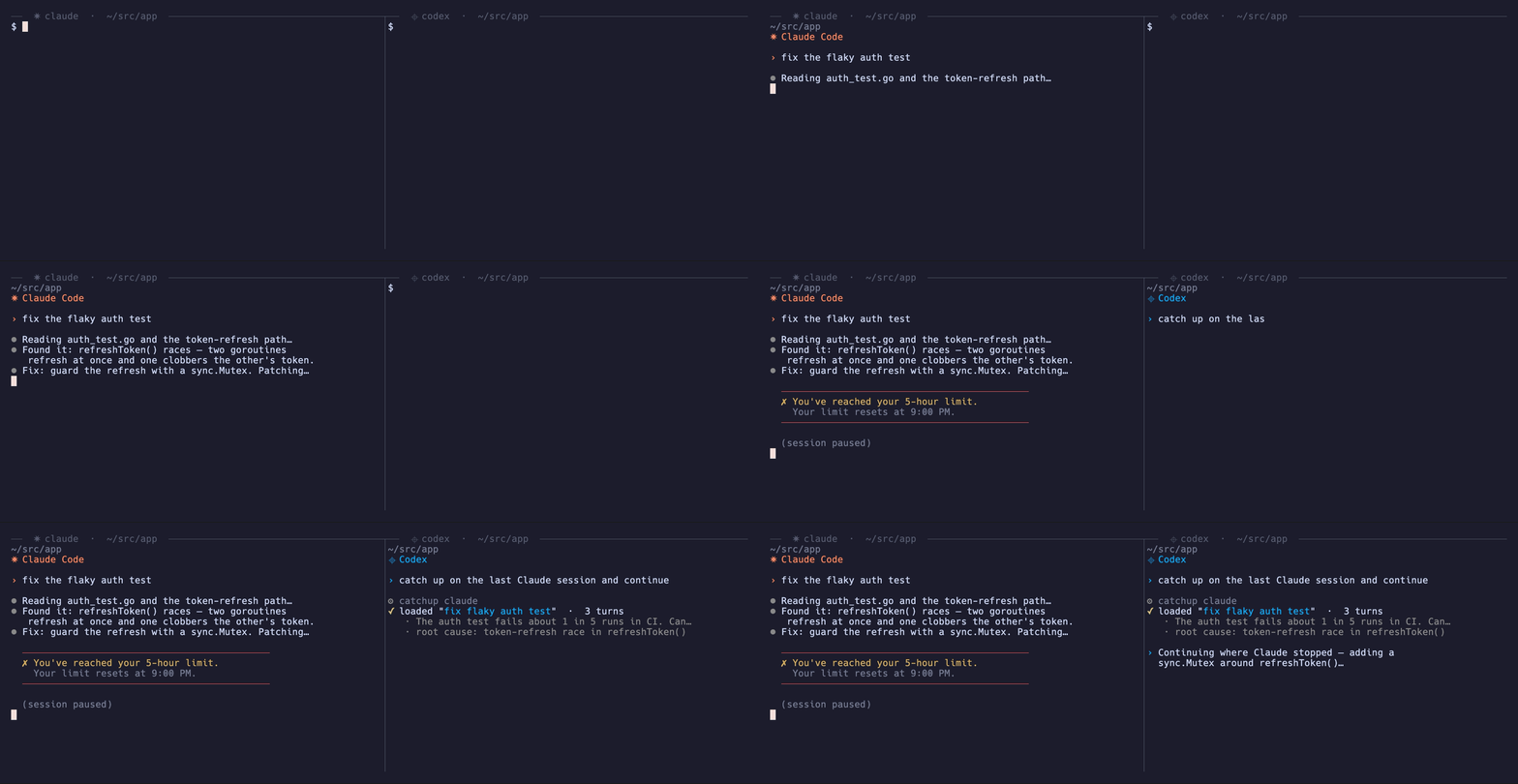
It's 4:50 on a Friday. The fix is half done. Claude Code stops. Maybe it says 5-hour limit reached ∙ resets 10pm.
You could open another agent and retype everything the two of you figured out. Or install catchup:
Windows: download the release ZIP.
Then hand the session to the next agent:
Codex opens, already caught up on the conversation, and picks up where Claude stopped. That's the handoff, one of three.
Read any supported agent. Hand off to a supported target.
Whatever state you're in, one command gets you back.
Bring a whole session back, as it was. The full thing, or the tail after the last compaction.
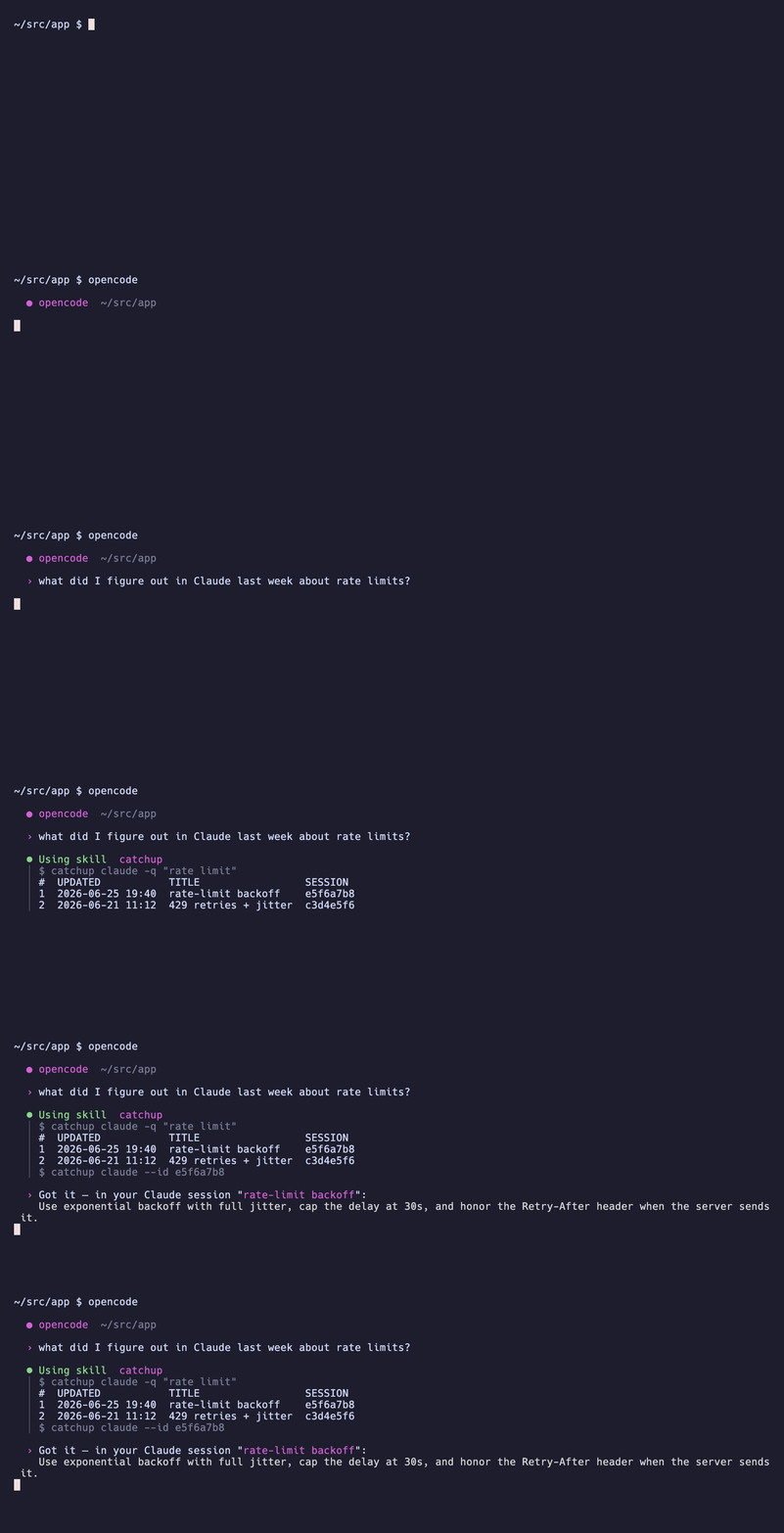
Remember the topic, not the project? Search across directories and agents, then open the matching session.
Nobody starts over. Same agent with real state, or seed a fresh one with the transcript.
The conversation, plus tool calls the source log marked failed. Successful tool activity and reasoning traces stay out. Cross-agent handoffs never carry native session state.
For agents that support native resume, the same agent picks up where it left off: catchup fork resumes through its own native path, real session state and all. Crossing to another agent is there when you want it, catchup fork claude --into codex seeds it with the transcript.
It's still on disk. catchup --all-dirs -q "rate limit" lists matching sessions across projects and agents. Open one with catchup <agent> --id <id>.
You don't have to. catchup install-skill teaches your agent the command once, and after that you just say "catch up on the last Codex session" in plain words.
No. Search can span agents and projects, but each read or handoff selects one session.
Amp supports locally cached conversations only; tool results, native launch, and native resume are unsupported. ZCode also has no native resume.
Everything runs locally: catchup reads agent history on your machine and makes no network or model calls.
Recap it. Find it. Hand it off.